Crop nutrition is more than applying fertilizer
Healthy crop growth depends on a balance of nutrients, water, light, temperature, root health and soil conditions. Applying more fertilizer does not automatically produce a better crop.
Good crop nutrition starts with understanding what the crop needs, what the soil can supply and how nutrients will be delivered at the right time.
Understand the role of soil testing
Soil testing can help identify pH conditions and selected nutrient levels before planting. This information helps guide fertilizer selection and soil amendments. Sampling and interpretation matter; recommendations should suit the crop and production system.
Where appropriate, plant tissue analysis or other diagnostic methods may help investigate problems during the season.
Know that crops need different nutrients at different stages
Plants require major nutrients such as nitrogen, phosphorus and potassium, as well as secondary and micronutrients in smaller amounts. Each plays a different role in plant growth and development.
Demand changes during the crop cycle. Establishment, vegetative growth, flowering, fruit set and fruit development may have different nutritional priorities. The right programme depends on crop, variety, soil, yield target and growing conditions.
Water and nutrition must work together
Water affects nutrient availability, movement through the soil and uptake by roots. Drought can restrict nutrient uptake, while excessive water or poor drainage can damage roots and contribute to nutrient losses.
Before increasing fertilizer rates, assess irrigation, drainage, root condition and other possible causes such as pests, disease, unsuitable pH or chemical injury.
Avoid common fertilizer mistakes
Common mistakes include applying fertilizer without a diagnosis, assuming every yellow leaf indicates the same deficiency, applying excessive amounts, ignoring timing and product instructions, failing to account for manure nutrients and keeping no application records.
Follow product labels and locally appropriate agronomic recommendations. Store fertilizers safely and prevent contamination of water sources.
Monitor and record crop response
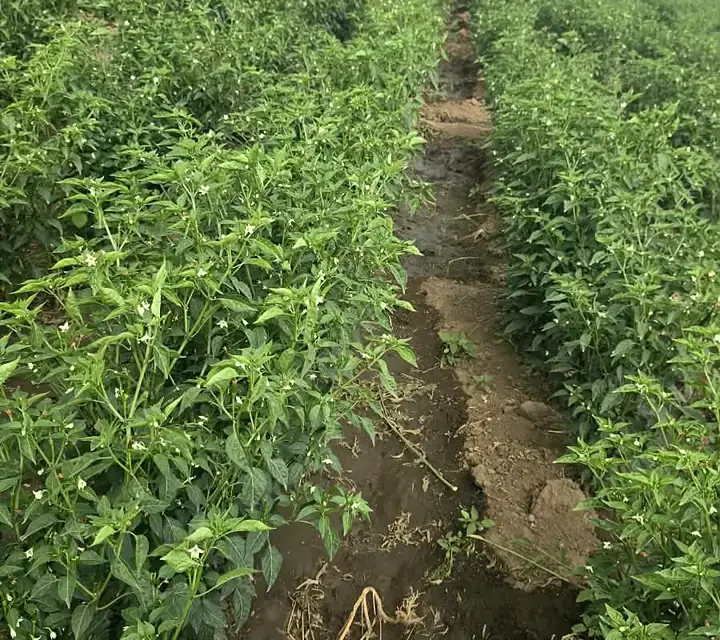
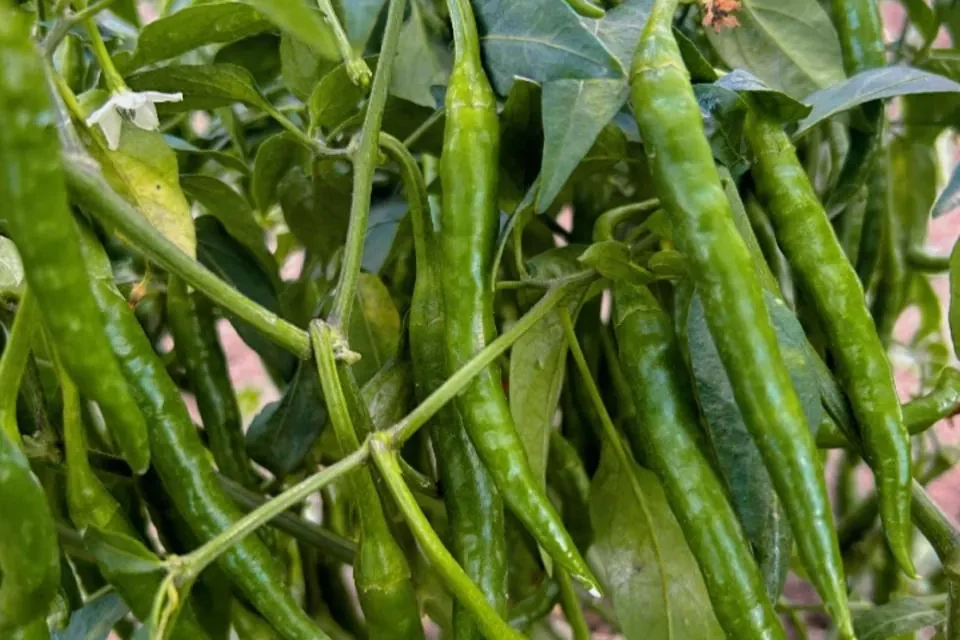
Inspect crops regularly and record growth, leaf colour, flowering, fruit set, yield and symptoms. Similar symptoms can have different causes, so look for patterns and seek advice when the diagnosis is uncertain.
Use records to compare the plan with actual performance and improve future decisions.
Make crop nutrition a planned investment
An effective nutrition programme balances crop needs, soil conditions, timing and cost. It belongs within a wider plan covering irrigation, crop protection, labour and market requirements.
RonaGrow Limited offers agronomy consultancy and farm-management support to help growers make informed production decisions. Contact us to discuss crop nutrition and planning for your farm.
RonaGrow Limited — From Soil With Care.