
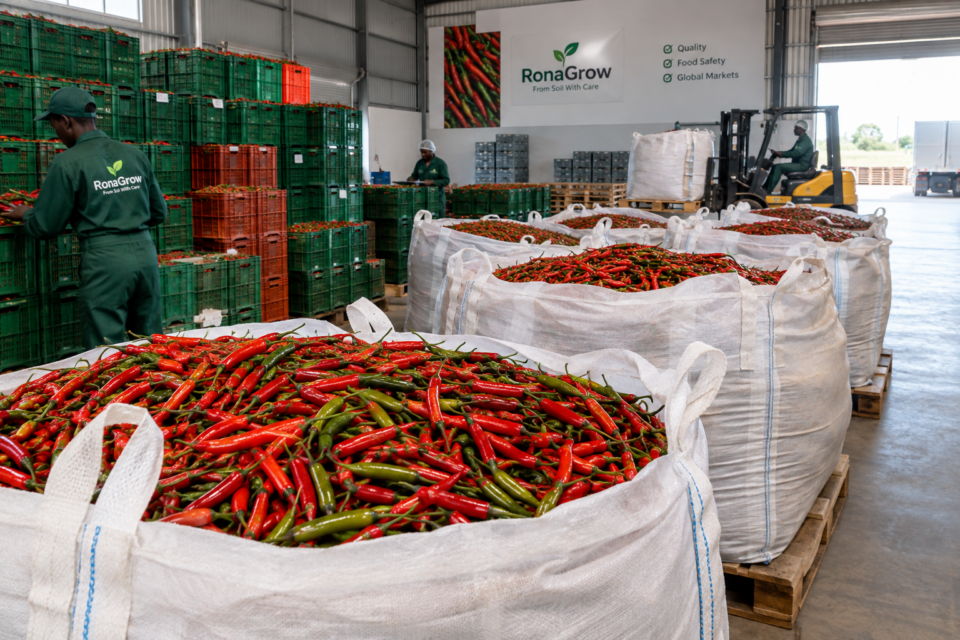
A good harvest does not automatically mean a profitable farm
A farm can produce a healthy crop and still lose money. Costs may be too high, prices may be lower than expected, quality may not meet buyer requirements, or payments may arrive after expenses are due.
Treating farming as a business means making production decisions with costs, revenue, risk and the market in mind. The goal is not simply to grow more; it is to produce what can be sold at a return that justifies the resources invested.
Start with a clear business plan
Before planting, identify the crop, target buyer, production period, estimated marketable yield, likely selling price, operating costs and major risks. Use realistic assumptions rather than relying only on best-case estimates.
A practical farm plan should state what will be produced, how it will be produced, who will manage each activity, how much cash will be needed and how produce is expected to reach the market.
Know your costs
Record fixed costs such as equipment, infrastructure or lease commitments, and variable costs such as seed, fertilizer, crop protection, labour, packaging and transport. Allocate shared costs fairly across crops or production blocks.
Knowing the cost per kilogram, crate or other saleable unit helps you judge whether the expected selling price can cover costs and leave a margin.
Plan for the market before planting
Confirm buyer specifications, expected volumes, quality standards, delivery arrangements, payment terms and rejection rules. A buyer conversation does not always guarantee a sale, so understand the level of commitment and have a contingency plan.
Market planning can influence variety, planting dates, acreage, harvest schedules, grading, packaging and transport. Production should respond to a realistic route to market.
Manage with records and regular reviews
Keep records of planting dates, inputs, labour, crop health, harvest volumes, grades, sales, rejected produce and payments received. Compare planned performance with actual results and investigate why costs, yield or payment timing differ from expectations.
Reliable records also help when seeking finance or evaluating whether to expand.
Build a farm that can sustain itself
Commercial farming requires technical skill, financial discipline and consistent management. Avoid expanding simply because one season performed well; first understand the drivers of that result and whether they can be repeated.
RonaGrow Limited approaches farming as both a production activity and a business. Through commercial farming, farm management and agronomy consultancy, we help connect technical decisions with planning, cost control and market requirements. Contact us to discuss support for your farm.
RonaGrow Limited — From Soil With Care.