Why understanding farm costs matters
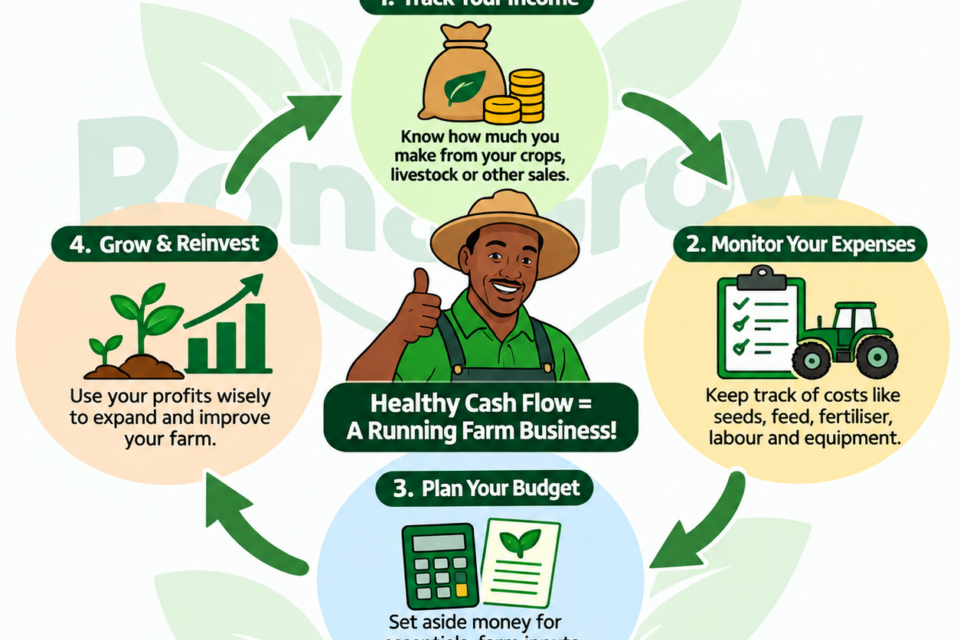
Farmers may know how much they spent by season’s end but not what it cost to produce each saleable kilogram or whether the selling price covered the full cost.
Separating fixed and variable costs helps you budget, compare production options and identify where spending can be improved without undermining yield or quality.
What are fixed farm costs?
Fixed costs generally do not change directly with the volume produced over a particular period or operating range. Examples may include land lease payments, equipment depreciation, insurance, certain licences and salaries for permanent staff.
Fixed does not mean unchangeable forever. Some costs change when a lease is renewed, equipment is replaced or the farm expands. These costs may continue even when production or sales are low.
What are variable farm costs?
Variable costs usually rise or fall with area planted, crop intensity or production volume. Examples include seed, seedlings, fertilizer, crop protection products, casual labour, harvesting materials, packaging and some transport costs.
Some costs are mixed: irrigation energy, equipment maintenance or labour may behave differently depending on farm size and usage. Record costs in a way that reflects your operation.
Calculate the cost of producing a saleable unit
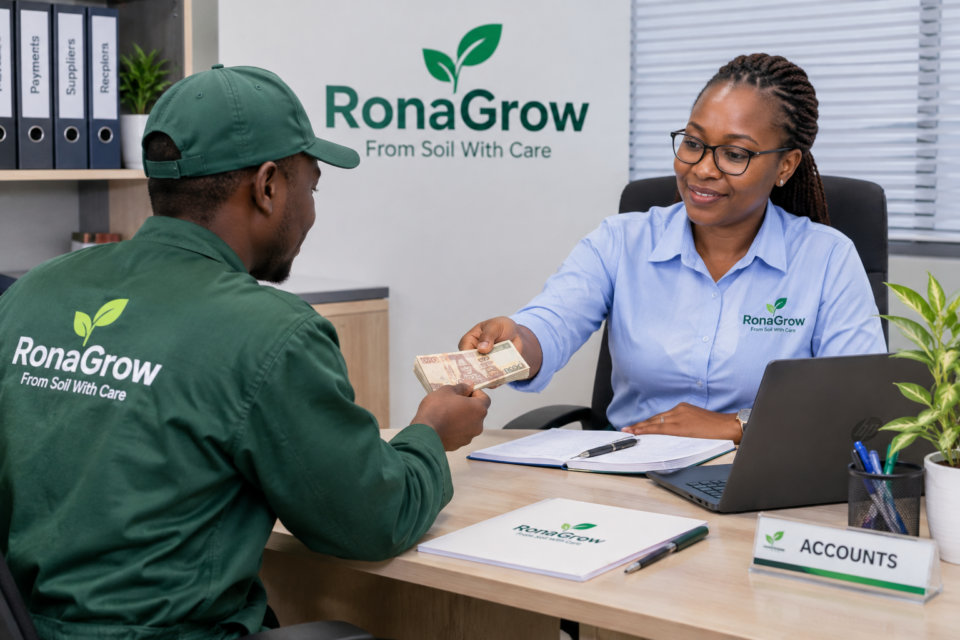
Add the costs belonging to the production period and crop, then divide by the quantity that is actually saleable. For illustration, if a farm spends KSh 300,000 on a crop and sells 10,000 kg, the recorded cost is KSh 30 per kg before omitted costs or adjustments.
This is an illustration, not a typical cost benchmark. Rejected produce and post-harvest losses can make the cost per saleable unit higher.
Practical ways to control costs
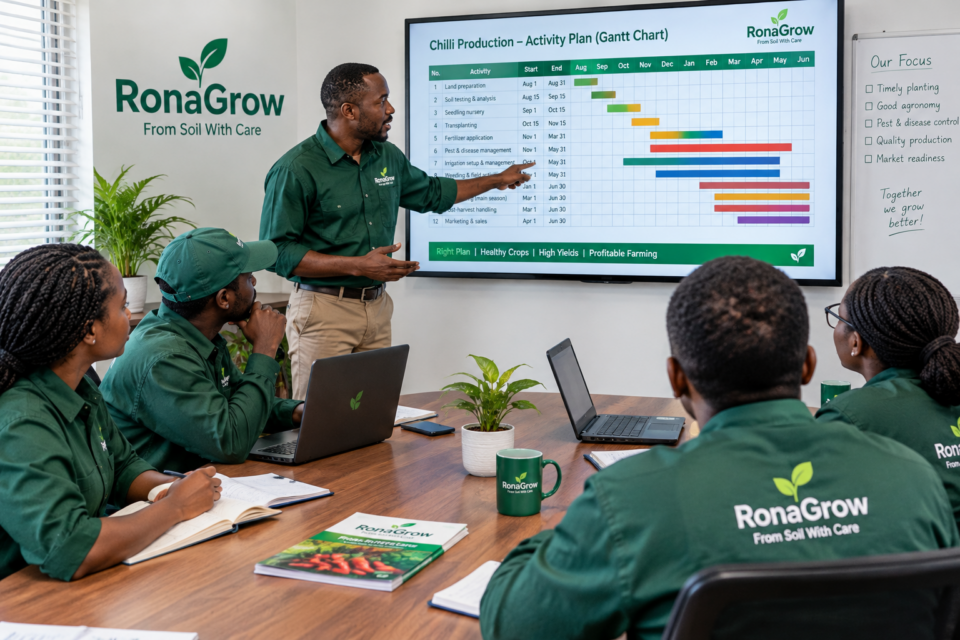
Prepare a crop budget before the season and update it when assumptions change. Buy inputs against a plan, verify quantities and keep receipts. Track labour by activity and assess results. Maintain equipment and irrigation systems. Monitor crop health early, compare suppliers on total delivered cost, and review waste and post-harvest losses.
The cheapest option is not always the least expensive in the long run. Poor-quality seed, unsuitable inputs, delayed maintenance or insufficient harvesting labour can reduce saleable yield and increase cost per unit.
Do not cut costs blindly
Evaluate spending by its effect on productivity, quality, risk and profitability. RonaGrow Limited helps farmers plan production and review farm operations so resources are used with a clear purpose. Contact us for farm-management or agronomy support.
RonaGrow Limited — From Soil With Care.