A successful harvest begins before planting
Without a clear plan, farmers can face late inputs, insufficient labour, irrigation gaps, unexpected expenses or produce that is ready when the market is not. Production planning coordinates agronomy, labour, cash, infrastructure and the route to market.
Decide what you will produce and why
Identify the target market and the crop or variety that can meet its requirements. Consider soil suitability, climate, water availability, production cycle, pest and disease risks, labour and farm capacity.
Set realistic targets and distinguish total biological yield from marketable yield, because not every harvested unit will meet buyer specifications.
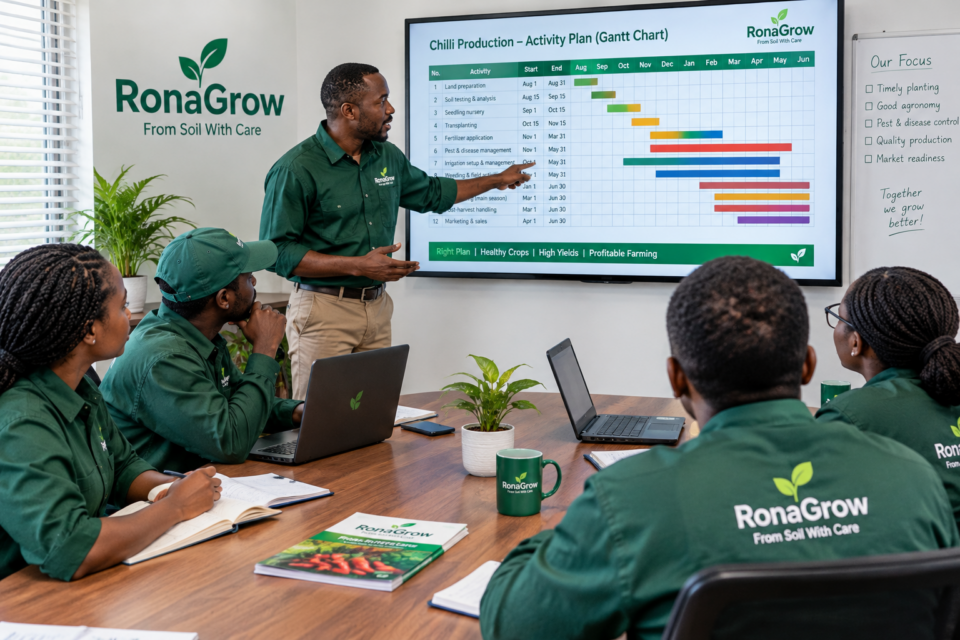
Build a calendar of activities
Map land assessment and preparation, seed or seedling sourcing, nursery management where relevant, planting, irrigation, nutrition, scouting, crop protection, harvesting, grading, packaging and delivery.
Give each activity a target date, responsible person, required resources and a way to confirm completion. Allow for rain, supplier shortages, equipment failure and labour constraints.
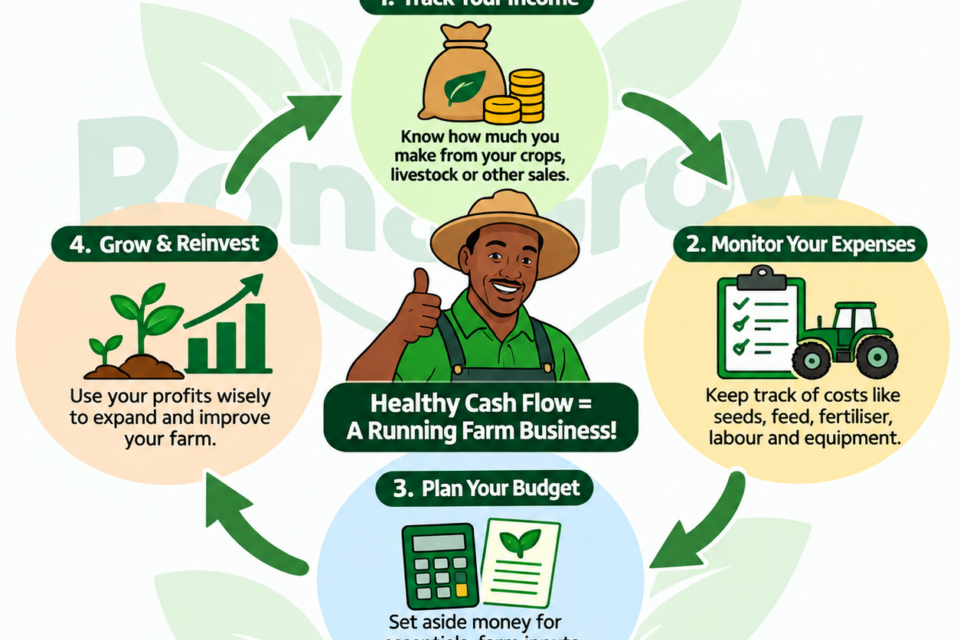
Budget inputs, labour and cash
Estimate seed, fertilizer, crop protection products, water, fuel, labour, packaging and transport. Check availability and lead times before planting.
Prepare a cash-flow forecast as well as a total budget. A farm may have enough funds to cover a season on paper but still experience a shortage before sales arrive.
Plan water, crop health and risk management
Confirm that water supply and irrigation capacity can meet crop needs at critical stages. Check drainage and field access, and plan how the team will monitor crop health.
Use preventive practices such as field hygiene, regular scouting, sound irrigation management and timely diagnosis. Identify the main risks and decide in advance what action to take if they occur.
Connect the production plan to the market
Confirm quality specifications, likely delivery volumes, harvest timing, packaging and transport. Where possible, agree on clear terms with buyers and avoid assuming informal interest guarantees a purchase.
Record planned versus actual planting dates, costs, crop performance, harvest volumes and sales. A production plan should be reviewed and updated as conditions change.
Turn planning into farm performance
A useful production plan is a working tool, not a document to prepare and forget. Review it with the people responsible for implementation and revise it when new information becomes available.
RonaGrow Limited supports growers through agronomy consultancy, farm management and commercial production planning. Contact us if you need help developing a practical plan for your farm.
RonaGrow Limited — From Soil With Care.