
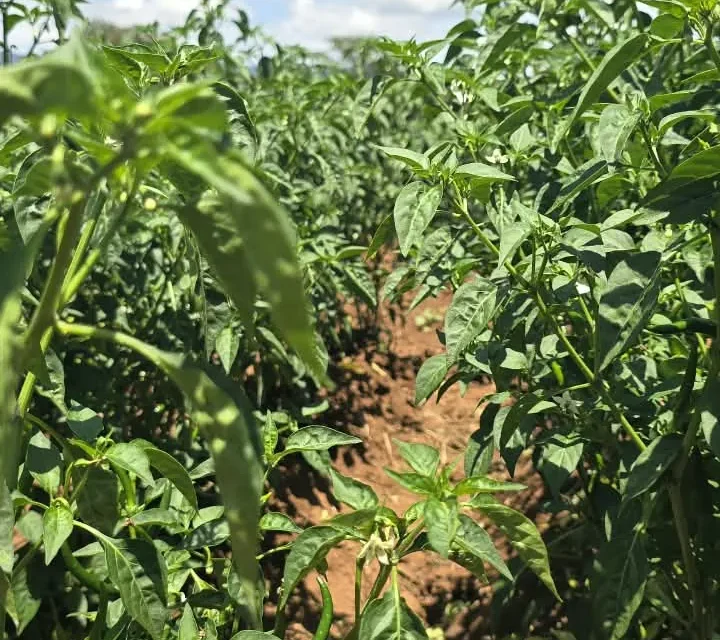
Introduction: What Should Kenyan Farmers Expect from the October–January Rains?
Rainfall is one of the most important factors influencing agricultural production in Kenya. It affects planting dates, soil moisture, nutrient availability, pest and disease pressure, harvesting schedules and ultimately the profitability of a farming enterprise.
As Kenya enters the October 2026–January 2027 period, farmers should prepare for changing rainfall conditions. The Kenya Meteorological Department’s October–December 2026 seasonal outlook indicates enhanced rainfall across much of the country, although rainfall distribution is expected to vary by region. Some areas may experience prolonged wet spells and isolated storms, while rainfall in parts of northern Kenya may be more variable.
For farmers, this outlook is a call to prepare—not a guarantee that every farm will receive the same amount of rainfall. Local conditions, altitude, soil type and the timing of individual rain events will continue to influence farm decisions.
For chilli farmers in particular, effective water management is essential. Although chilli crops require adequate moisture for healthy growth and fruit development, excessive water and poorly drained soils can increase the risk of root damage, disease and reduced fruit quality.
In this guide, RonaGrow Limited shares practical steps farmers can take to prepare their farms, protect chilli crops and make informed decisions throughout the rainy period.
1. Kenya Rainfall Outlook by Region: October 2026–January 2027
Kenya’s rainfall patterns vary considerably across counties. Farmers should therefore use national seasonal forecasts alongside county-specific updates and actual rainfall observations on their farms.
Western Kenya and the Lake Victoria Basin
Farmers in counties such as Bungoma, Busia, Kakamega, Vihiga, Siaya, Kisumu, Homa Bay, Migori, Kisii and Nyamira should prepare for potentially wet conditions in line with the national seasonal outlook.
Recommended farm actions:
- Clear drainage channels before heavy rainfall begins.
- Avoid planting in areas where water regularly accumulates.
- Inspect chilli plants for signs of waterlogging, leaf spots, wilting and fruit rot.
- Avoid working the soil when it is excessively wet, as this can cause compaction.
- Apply fertiliser according to crop needs and avoid applications immediately before heavy rain.
Central Kenya and the Rift Valley
Farmers in areas including Nakuru, Nyandarua, Nyeri, Kiambu, Murang’a, Kirinyaga, Kericho, Bomet, Nandi, Uasin Gishu, Trans Nzoia, Laikipia and Narok should monitor local forecasts and prepare for rainfall that may vary with altitude and location.
Recommended farm actions:
- Inspect fields for natural drainage routes and blocked outlets.
- Use raised beds where suitable for the soil and production system.
- Maintain adequate spacing and airflow within chilli crops.
- Monitor crop health after prolonged wet weather.
- Schedule spraying, fertiliser application and other field activities around suitable weather conditions.
Eastern and South-Eastern Kenya
Farmers in Machakos, Makueni, Kitui, Embu, Tharaka-Nithi, Meru, Isiolo and Kajiado should avoid assuming that all locations will receive equal rainfall.
Even where a seasonal forecast suggests enhanced rainfall, individual farms may experience delayed onset, uneven distribution or dry intervals between rain events.
Recommended farm actions:
- Harvest and store rainwater safely where practical.
- Conserve soil moisture using appropriate mulch and soil-management practices.
- Plant or transplant when there is sufficient soil moisture and a reasonable short-term rainfall outlook.
- Use supplementary irrigation when needed and available.
- Check soil moisture before irrigating to avoid unnecessary water use.
Coastal Kenya
Farmers in Mombasa, Kilifi, Kwale, Lamu and Taita-Taveta should consider both rainfall and warm conditions when planning crop management.
Recommended farm actions:
- Maintain good drainage around crop roots.
- Monitor soil moisture closely, especially during hot intervals.
- Scout crops regularly for pests and diseases.
- Avoid excessive irrigation when rainfall has already supplied sufficient moisture.
- Protect harvested produce from rain, contamination and unnecessary delays before delivery.
Northern and North-Eastern Kenya
Farmers in Turkana, Samburu, Marsabit, Garissa, Wajir and Mandera should plan for local variability and avoid relying on the seasonal forecast alone to make planting decisions.
Recommended farm actions:
- Store available rainwater and maintain water-harvesting systems.
- Use drought-tolerant crops and varieties suited to local conditions.
- Plant when effective rainfall and soil moisture are adequate.
- Use supplementary irrigation where feasible.
- Seek county-specific advisories before making major planting or input investments.
Important: These regional groupings are practical farming guidance, not official county-by-county rainfall totals. Farmers should consult the Kenya Meteorological Department (https://meteo.go.ke/our-products/seasonal-forecast/) for the latest county forecasts and monthly updates.
2. How Excessive Rainfall Affects Chilli Farming
Chilli production can be affected by both insufficient moisture and excessive rainfall. During wet periods, farmers should pay particular attention to drainage, root health, crop nutrition and disease management.
Waterlogging and Root Damage
When soil remains saturated, roots may receive insufficient oxygen. This can weaken plants, reduce nutrient uptake and contribute to wilting or poor growth.
Farmers can reduce this risk by improving drainage, avoiding low-lying planting areas and using raised beds where appropriate.
Increased Risk of Crop Diseases
Extended periods of leaf wetness and high humidity can favour certain fungal and bacterial diseases. Wet conditions can also make it harder to access fields and apply crop-protection products at the right time.
Farmers should inspect their chilli crops regularly, remove severely affected plant material where appropriate, maintain good airflow and seek advice when disease symptoms appear.
Nutrient Losses
Heavy rain may move nutrients below the root zone or cause them to run off the field, especially where soil is bare or sloping.
To manage nutrients effectively:
- Follow a crop nutrition plan based on soil conditions and crop requirements.
- Apply fertilisers at suitable times and recommended rates.
- Avoid applying nutrients immediately before forecast heavy rainfall.
- Maintain soil cover and use erosion-control measures where necessary.
Reduced Fruit Quality
Excess moisture, disease and poor harvesting conditions can damage chilli fruits and reduce their market value.
Harvest at the appropriate maturity stage, handle produce carefully and keep harvested chillies clean, dry and well ventilated according to the buyer’s requirements.
3. Five Practical Steps to Prepare Your Farm for the Rains
Step 1: Prepare Drainage Systems Early
Do not wait until heavy rain begins to inspect your farm. Clear drainage channels, repair blocked outlets and identify locations where water collects.
Good drainage is especially important for chilli, tomatoes and other crops that are vulnerable to prolonged waterlogging.
Step 2: Use Well-Decomposed Manure Correctly
Well-decomposed manure can improve soil structure, support soil biological activity and contribute nutrients. However, it should be properly matured and applied in line with crop requirements and food-safety practices.
Avoid using fresh manure in ways that could contaminate harvested produce. Keep manure and other inputs away from water sources and follow appropriate handling and application guidance.
Step 3: Make Planting Decisions Based on Local Conditions
A national seasonal forecast should inform farm planning, but it should not replace observation of your own field.
Before planting or transplanting, consider soil moisture, the condition of seedlings, the soil’s drainage capacity and the short-term weather forecast.
Step 4: Monitor Crops Every Week
Regular crop scouting allows farmers to identify problems before they spread.
Check:
- Leaves for spots, discolouration and pest damage.
- Stems for lesions or unusual growth.
- Roots and lower stems for signs of waterlogging or rot.
- Flowers and fruits for damage, rot and poor development.
- Soil moisture and drainage after rainfall.
Keep records of what you observe and the actions taken.
Step 5: Use Crop-Protection Products Responsibly
Rainfall can complicate spraying schedules. Rain soon after application may affect product performance, depending on the product and its label instructions.
Always use a product registered for the intended crop and pest or disease. Follow the label, wear the required personal protective equipment, observe the pre-harvest interval and respect maximum residue limits (MRLs). Do not spray when conditions are unsuitable or when the label advises against it.
Where possible, integrate cultural, biological and other appropriate pest-management methods instead of depending solely on chemical control.
4. Month-by-Month Chilli Farming Advisory: October 2026 to January 2027
October 2026: Prepare for Rainfall and Establish Healthy Crops
October is a useful time to review farm readiness and respond to the latest local forecast.
Farmer checklist:
- Clear drainage channels and repair water outlets.
- Prepare suitable seedbeds and healthy seedlings.
- Apply mature manure and fertiliser according to crop requirements.
- Transplant when soil moisture and field conditions are suitable.
- Begin a weekly pest, disease and rainfall-recording routine.
November 2026: Manage Wet Conditions and Protect Plant Health
If prolonged rainfall occurs, drainage and crop monitoring should become priorities.
Farmer checklist:
- Check for standing water after heavy rainfall.
- Avoid working saturated soil.
- Inspect crops for leaf spots, wilting, root problems and fruit rot.
- Support plants where needed and maintain airflow.
- Time crop-protection and fertiliser applications according to label instructions, crop needs and weather conditions.
December 2026: Protect Fruit Quality and Manage Crop Inputs
Rainfall may remain significant in some locations, while other areas may experience breaks in rainfall. Base decisions on local observations rather than assuming uniform conditions.
Farmer checklist:
- Adjust irrigation to actual rainfall and soil moisture.
- Continue scouting and use appropriate integrated pest management.
- Follow pesticide pre-harvest intervals and MRL requirements.
- Harvest carefully and remove damaged produce from marketable fruit.
- Keep records of input costs, labour, harvest volumes and sales.
January 2027: Review Moisture Conditions and Plan Ahead
January conditions can differ considerably between regions and years. Do not assume that rainfall will stop everywhere or that every county will become dry.
Farmer checklist:
- Check the latest monthly and county forecast.
- Assess soil moisture before irrigating.
- Maintain crop hygiene and continue pest and disease monitoring.
- Record yields, quality, sales and production costs.
- Review the season’s performance and plan the next production cycle.
5. Why Farmers Should Keep Rainfall and Farm Records
Rainfall records help farmers understand how weather affects their crops and spending decisions.
A simple notebook or digital record can include:
- Date and approximate amount of rainfall.
- Field or plot where the rain occurred.
- Soil moisture and drainage observations.
- Planting and transplanting dates.
- Fertiliser and crop-protection applications.
- Pest and disease observations.
- Harvest quantity, grade, selling price and input costs.
Over time, these records can help farmers identify recurring problems, improve the timing of farm activities and assess which production practices deliver the best returns.
6. How RonaGrow Supports Better Farming Decisions
Successful farming requires more than planting and waiting for rain. Farmers need timely information, good agronomic practices, appropriate input use and consistent attention to crop quality.
RonaGrow Limited encourages farmers to combine seasonal weather information with field observations and practical crop-management decisions.
For chilli farmers, this means preparing drainage before heavy rain, managing nutrients responsibly, scouting crops regularly, using crop-protection products safely and recording the costs and returns of each production cycle.
The aim is to help farmers make informed decisions that protect crop health, improve marketable quality and support more sustainable farm businesses.
Conclusion: Prepare for the Rains, Protect Your Chilli and Improve Your Returns
The October 2026–January 2027 period calls for careful farm planning across Kenya. Although the national outlook indicates enhanced rainfall across much of the country, the amount, timing and distribution of rainfall will differ by location.
Farmers should avoid making major decisions based on seasonal forecasts alone. Instead, combine official weather updates with local rainfall observations, soil conditions and regular crop monitoring.
For chilli farmers, the priorities are clear: prepare drainage early, maintain soil health, apply inputs responsibly, monitor pests and diseases, protect harvested produce and keep accurate farm records.
RonaGrow Limited — helping farmers make informed decisions for healthier crops and stronger farm businesses.